That empty foundry on Waupaca Drive? It can go back to work.
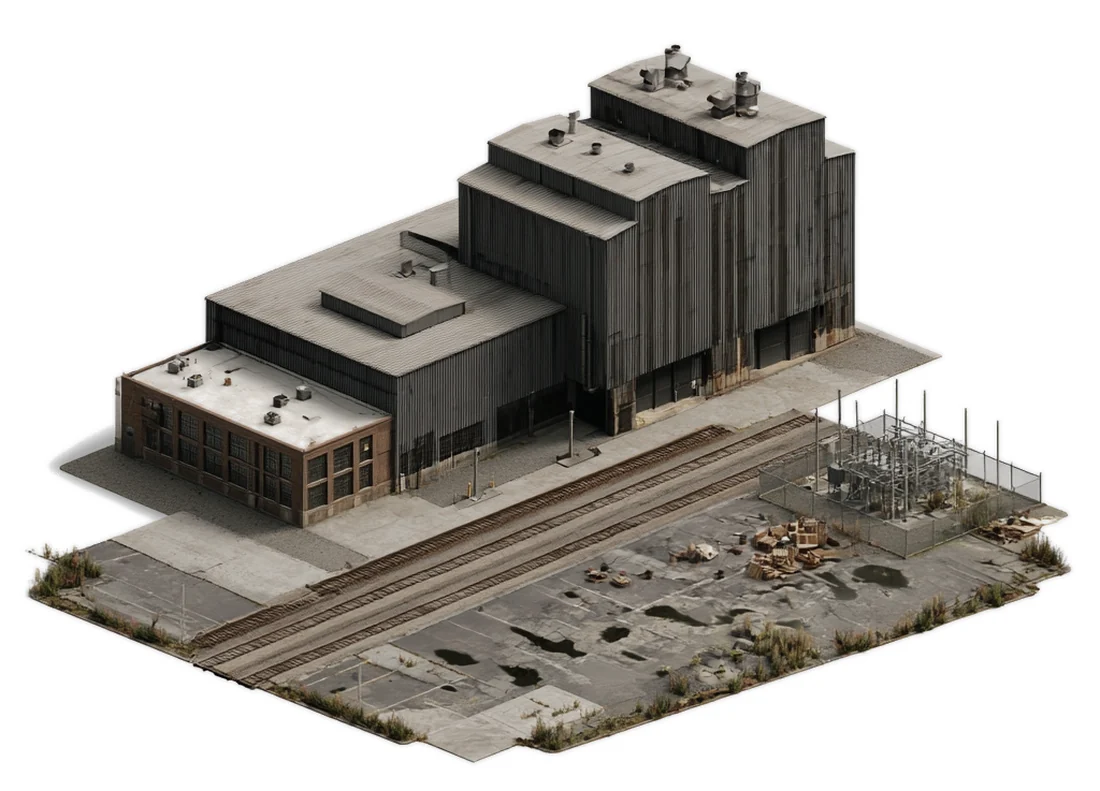
When the foundry idled in 2022, about 540 people lost their jobs in a town of 3,600. The building is still standing, with its own substation and three rail spurs, ready for its next use.
- Industry back to work
- Paychecks back in town
- A stronger Etowah
Now The former foundry is for sale
N1 · Reindustrialization
What does reindustrialization mean here?
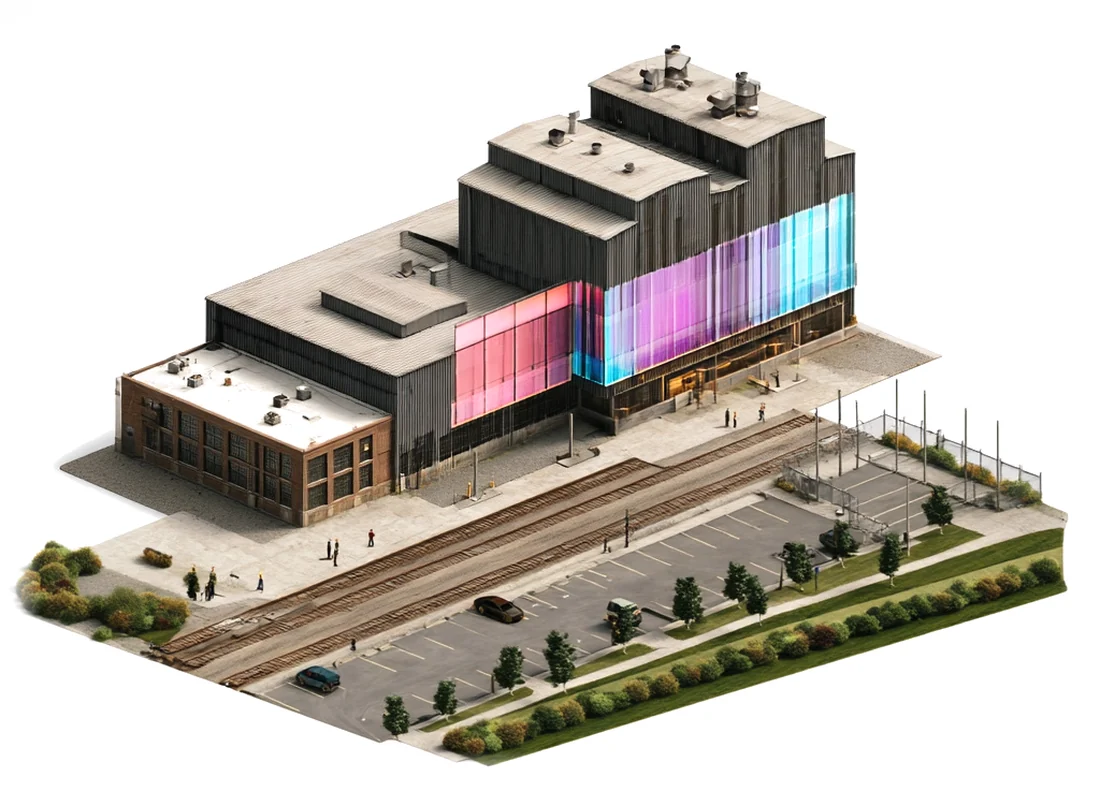
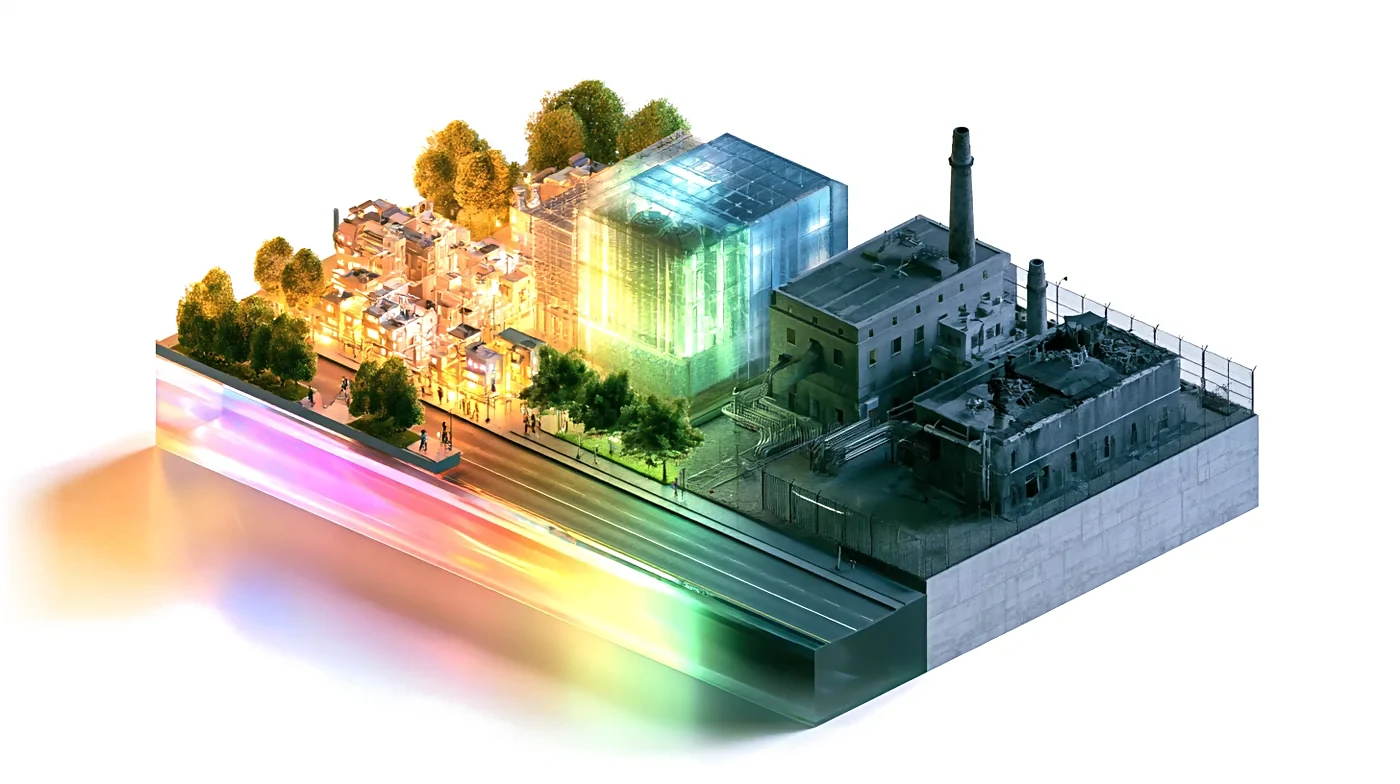
It means putting an idle industrial building back to work. The building stays recognizable, with cleaned-up landscaping and a new glass front. New equipment and new jobs go inside.
The former Waupaca foundry was built in 2002. Putting it back to work means new equipment and new jobs inside a structure that is already standing. Listing
N2 · Ready to use
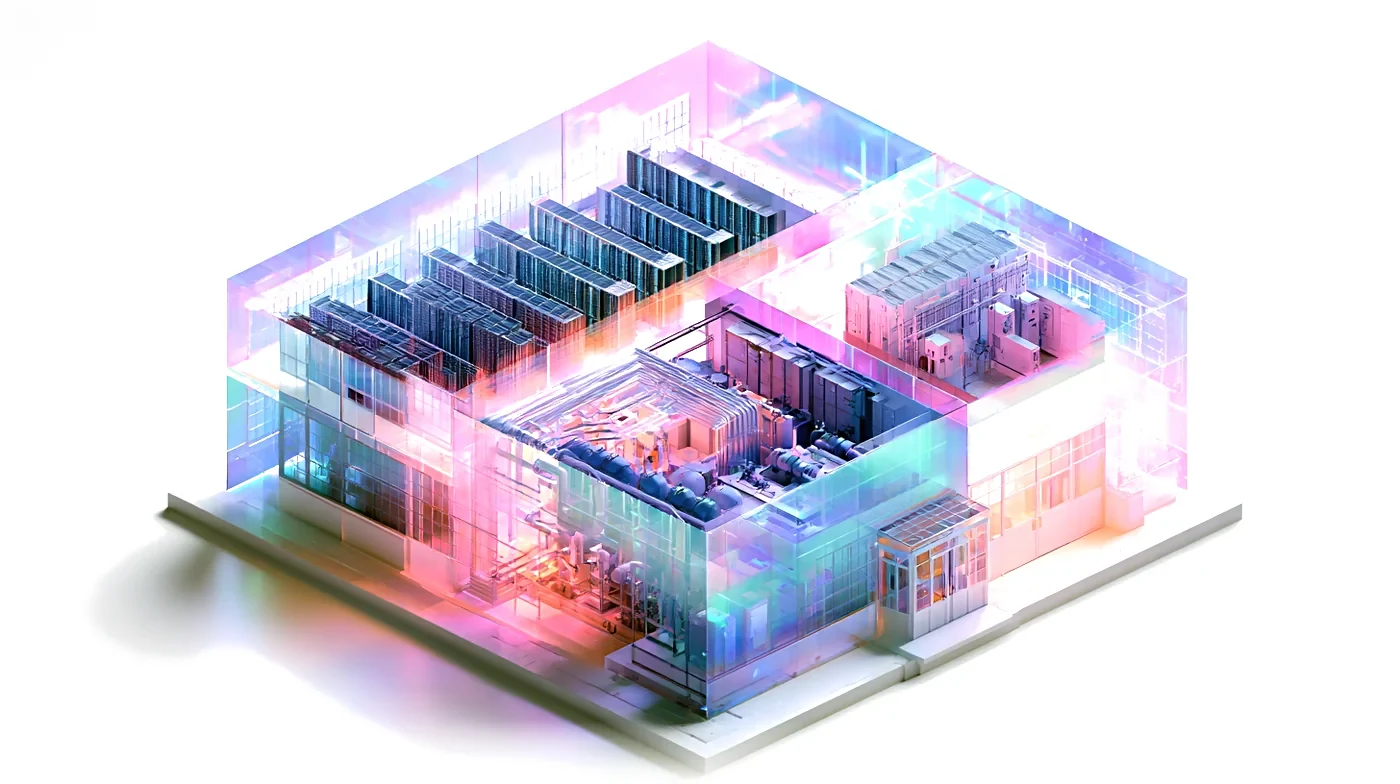
A plant that can open faster than one built from scratch.
Building new means years of grading, permits and utility work. This site already has the structure, the power and the rail.
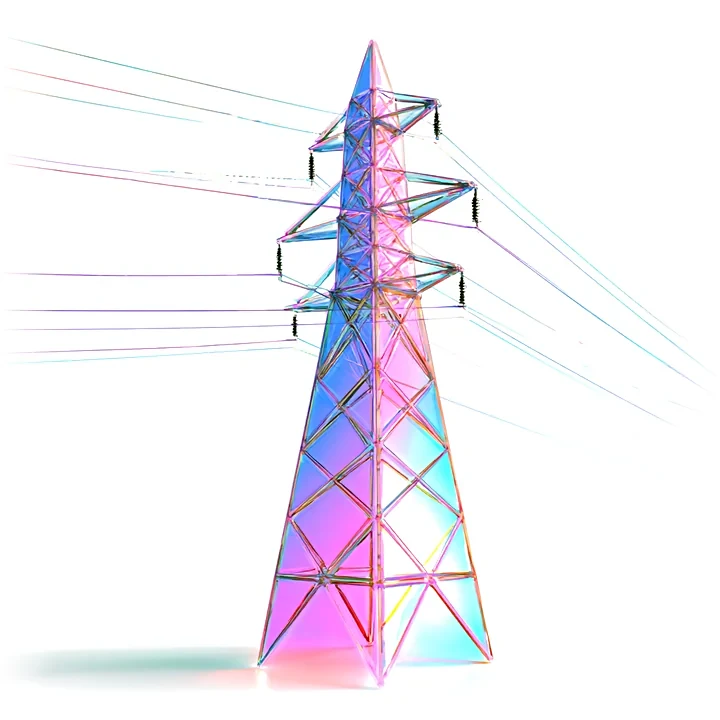 Its own substation
 Three rail spurs
 Ceilings up to 70 feet
 421 parking spaces

N3 · Branch
One working plant supports a whole town.
Wages earned at the plant get spent all over Etowah.
N4 · The cost of empty
Empty industrial sites drain neighborhoods.
They invite blight, discourage nearby investment, and sit on the tax rolls as underperformers. Left alone long enough, many become hazards.
Left dark
- Trespass, squatting, and dumping
- Arson and vandalism
- Failing roofs, broken glass, structural decay
- Repeat calls for police and fire crews
- A drag on nearby property confidence
Rescued
- Secured, lit, and staffed around the clock
- Rebuilt to current building and fire codes
- Back on the tax rolls at a higher value
- Steady payroll and local supplier work
- Local economic growth around the site, beyond the people who build and run it
Reindustrialization brings these buildings back and fills them with jobs and opportunity. A rescued building can become a garden of thought, ideas, innovation and prosperity.
N5 · What's at stake
What this building has meant to Etowah.
In a town of about 3,600 people. Production moved to the company's other foundries.
No new use has been announced. Whoever comes next, ask for job and tax estimates in writing.
N6 · Community returns
What tax revenue pays for
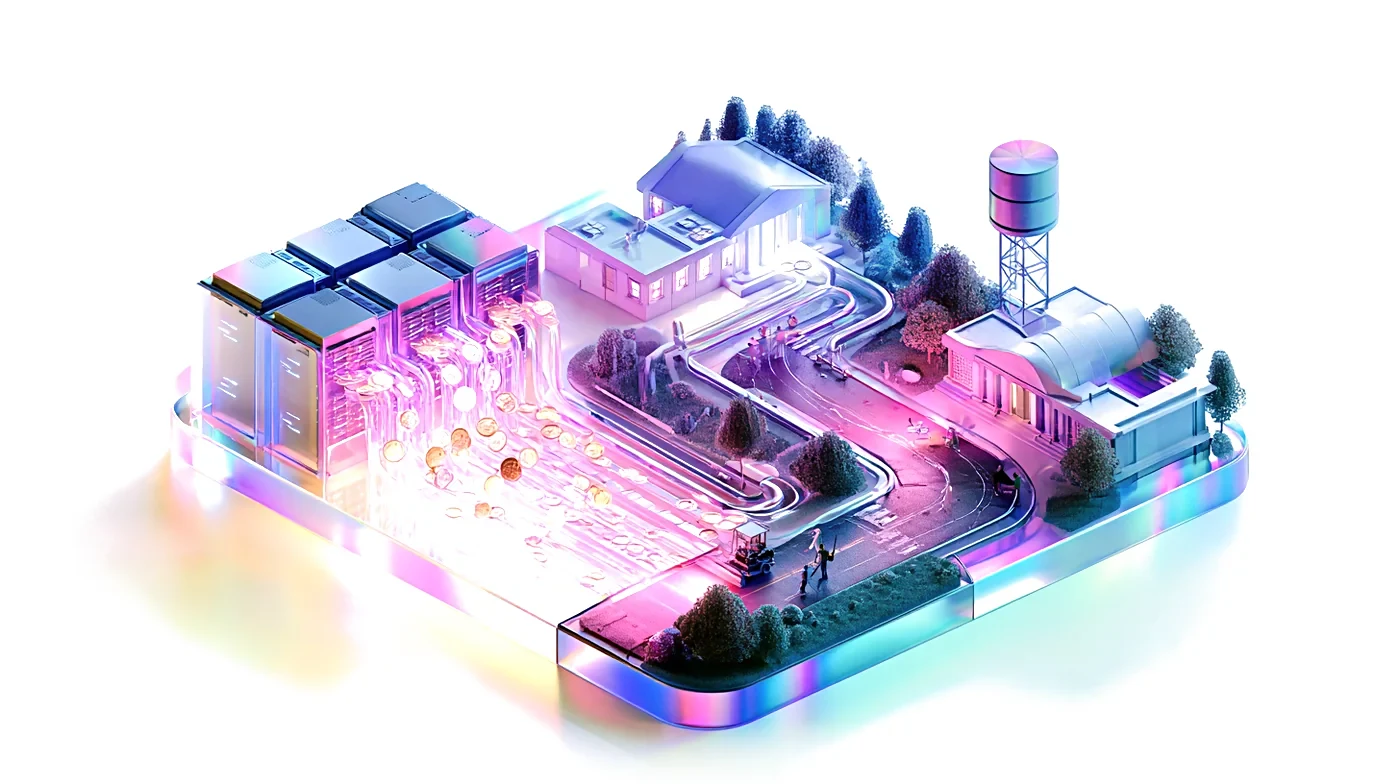
This is the community half of Etowah Works. Depending on how the city and county divide it, revenue from the site can pay for school roofs, road crews, library hours and the utility system.
Questions to ask your local officials
Which funds receive property tax from this site?
The city and county set which funds receive property tax from the site. Depending on that split, revenue can support school roofs, road crews, library hours and the utility system. The plant is assessed as its own industrial property, separate from homes. What it adds depends on the next use, which has not been announced. Ask Etowah and McMinn County which funds would receive it, and for estimates in writing.
How are sales and use taxes shared?
During the build years, sales and use taxes on construction can add to the local tax base. How the city and county share those receipts is set by local rules. No new use has been announced, so there is no construction plan to judge yet. Ask officials how those taxes would be shared, and for estimates in writing.
What is pledged to schools or infrastructure, in writing?
This page does not list a written pledge directing revenue to schools or infrastructure. No new use has been announced. Ask the city and county which commitments, if any, are already on file, and for any future pledge in writing.
N7 · Concerns
The hard questions, answered.
What putting the building back to work means for power, water, noise, traffic, emergency response and the view from the street.
Can the grid carry it?
The site has its own substation, built to serve a full-scale steel foundry. Any future user should show how much power it needs and commit in writing to protecting household rates.
Listing
How much water will it use?
That depends on the next user, and none has been announced. Residents should expect any future user to publish its water use and explain how it cools its equipment.

What will neighbors hear?
No user has been named yet. Local review can require noise limits measured at the nearest homes, with a clear way for neighbors to check them.

How many trucks, on which roads?
The site has three rail tracks for heavy freight. Any future user should show how much would move by rail, and which roads and hours its trucks would use.
Listing
Is the fire department ready?
Local review can require fire department sign-off before anything runs. Residents should expect any future user to give crews full site access and staff a 24-hour contact.

What will it look like from the street?
That is up to the next user and local review. Residents can ask for a cleaned-up lot, new landscaping, and outdoor lighting aimed down and away from homes.
N8 · Decision fork
Yes with conditions, or an empty shell.
Yes, with conditions
- Reuse a vacant industrial site
- Clear rules, enforceable commitments
- Jobs, tax base, and land use stay local
Leave it empty
- The shell stays dark
- Demand moves to the next town that says yes
- The jobs and tax base go somewhere else

N9 · Speak up
Read up, then come to the meeting.
Read the sources and what local leaders have said. Then tell city and county leaders you want this building working again, under clear rules.
Local voices
What local leaders have said about losing the foundry and bringing investment back. None of them are speaking about a specific buyer.
Keep the upside local
What Etowah could lose by waiting.
Cities that delay or block modern infrastructure under clear industrial zoning do not stop the demand for these projects. It often relocates to a neighboring jurisdiction that pairs scrutiny with a workable approval path.
When that happens, the first city can lose three things at once:
- 01Tax base growthfrom construction-period sales and use activity and a higher assessed industrial property.
- 02Jobsin the trades during buildout and in operations afterward, plus about 1,000–1,300 additional jobs outside the facility in host counties, on average, 3–5 years after opening — a county average, not a figure for this site.
- 03A second life for an empty industrial shellthat otherwise keeps draining civic energy and nearby property confidence.
That doesn't mean approving everything. Vacant industrial land is scarce, so ask for noise limits, traffic plans, clear numbers on water and power, and commitments the city can enforce. Then decide whether Etowah wants the payroll and revenue on its own books or on the next city's.
Places that approve projects under clear rules get the construction work, the long-term jobs, and a dark building turned back into a working one.
Careful review with a clear path to approval keeps the benefits in Etowah.
Sources
- Listing: 134 Waupaca Dr, Etowah, TNCommercialSearch
- A foundry closure devastated this Tennessee townCapital & Main · Mar 5, 2024
- Waupaca to idle most of Etowah foundry, cut 540 jobsChattanooga Times Free Press · Apr 20, 2022
- Waupaca Foundry idling operations at Etowah facilityTennessee Star · Apr 20, 2022
- Piedmont Lithium announces McMinn County plantTNECD · Sep 1, 2022
- Piedmont Lithium scraps Tennessee projectYahoo Finance · Aug 2024
Straight answers
The questions neighbors ask most, with what is on the record so far.
One plant. One town. Working again.
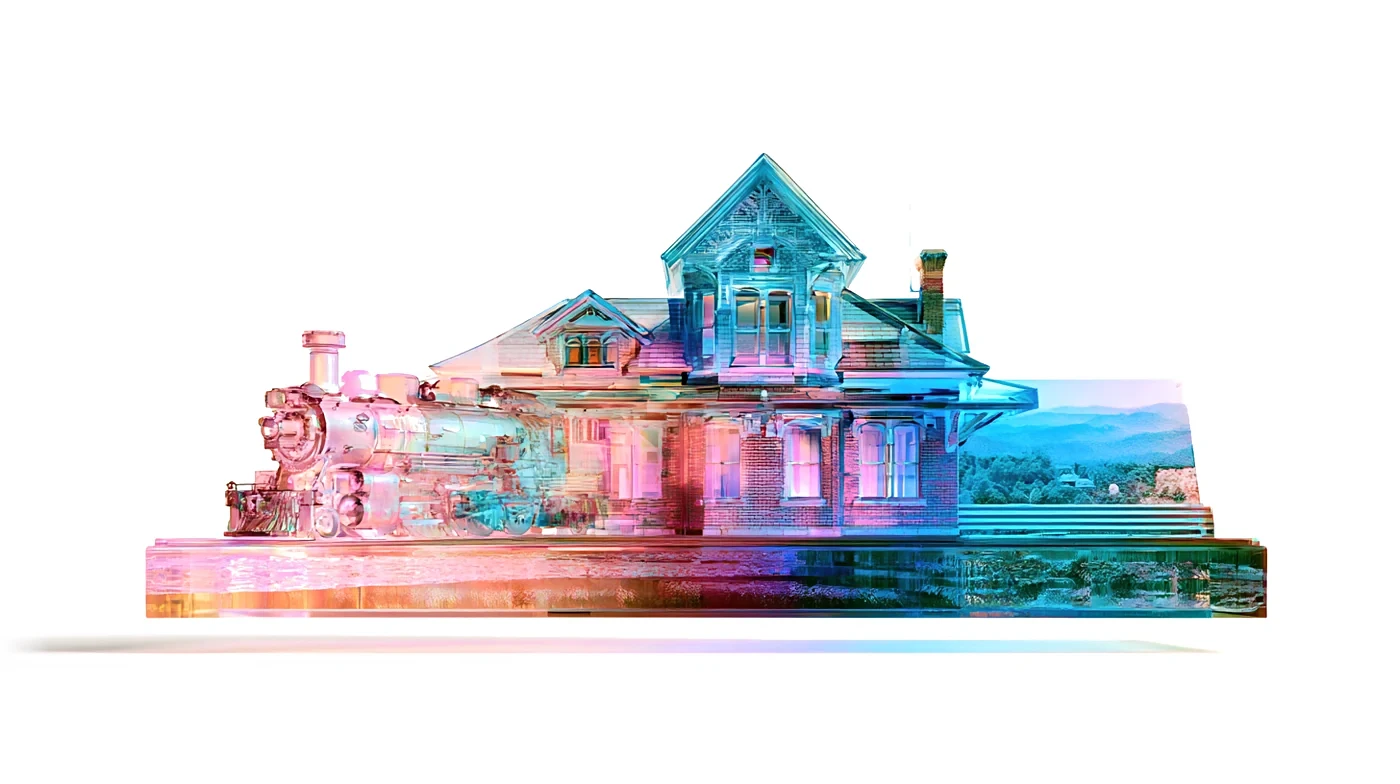
The depot, the downtown shops, the churches, the schools and the neighborhoods all rise together when the plant on Waupaca Drive goes back to work. That's the whole idea behind Etowah Works.

Artistic rendering, not a map.
Help Etowah work again.
Send it to a neighbor who remembers the foundry.